
Acupuncture has been practiced for thousands of years, yet it remains one of the more misunderstood therapies available today. For some, it conjures images of ancient tradition and mysticism. For others, it is simply a practical, evidence informed acupuncture treatment in llandudno for pain and stress. The truth sits somewhere between the two, and understanding how acupuncture actually works can help you decide whether it is worth trying.
The Basics of Acupuncture
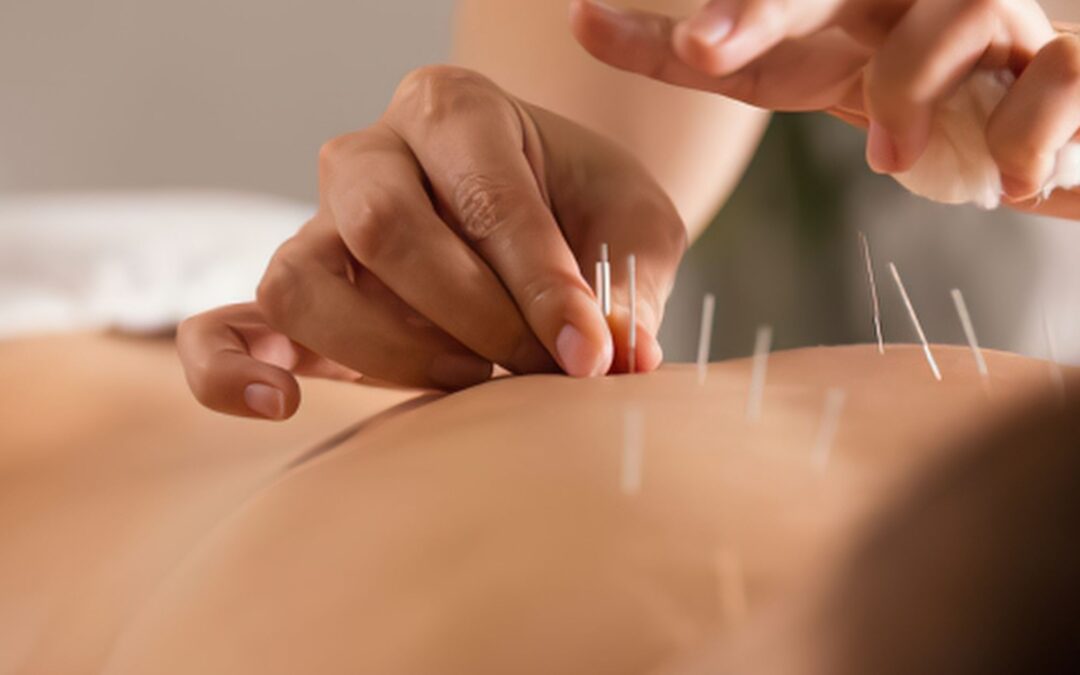
Acupuncture involves inserting very fine, sterile needles into specific points on the body. In traditional Chinese medicine, these points are believed to lie along pathways of energy, or “qi,” and needling them is thought to restore balance and encourage healing.
From a modern clinical perspective, acupuncture is understood somewhat differently. Research suggests that needling these points can stimulate nerves, muscles, and connective tissue, prompting the body to release natural pain relieving chemicals such as endorphins, and improving blood flow to the treated area. Many practitioners today blend traditional principles with this modern, evidence based understanding.
What Acupuncture Is Commonly Used For
Acupuncture is most widely recognised for its role in pain management, but its uses extend further:
- Chronic back and neck pain
- Osteoarthritis and joint pain
- Tension headaches and migraines
- Stress, anxiety, and sleep difficulties
- Digestive issues
- Support during pregnancy, including help with nausea and pelvic pain
It is worth noting that while acupuncture has strong support for certain types of pain relief, evidence for some other uses is more limited, so it is best approached as one part of a broader treatment plan rather than a stand alone cure.
What Happens During a Session
An acupuncture session typically starts with a conversation about your symptoms, general health, and treatment goals. The practitioner will then select specific points based on your individual concerns and insert fine needles, which are usually left in place for around twenty to thirty minutes.
Most people describe the sensation as a mild pinch followed by little to no discomfort, and many find the experience surprisingly relaxing. It is common to feel calm or even sleepy during and after treatment.
Is Acupuncture Safe
When performed by a properly trained and qualified practitioner using sterile, single use needles, acupuncture is considered a low risk treatment. Minor side effects such as slight bruising or tenderness at the needle site can occur, but serious complications are rare. As with any treatment, it is important to disclose your full medical history beforehand, particularly if you are pregnant, have a bleeding disorder, or use a pacemaker.
How Many Sessions Are Needed
The number of sessions needed varies depending on the condition being treated and how your body responds. Some people notice improvement after just one or two sessions, while chronic conditions may require a longer course of weekly treatments followed by periodic maintenance visits. A good practitioner will discuss a realistic treatment plan with you based on your specific goals.
Choosing a Practitioner
Because acupuncture involves inserting needles into the body, it is essential to see a properly trained and accredited practitioner who follows strict hygiene standards. Clinics that offer acupuncture alongside other complementary therapies, such as osteopathy or massage, often provide a more integrated approach to treatment, addressing the body from multiple angles rather than in isolation. For those considering acupuncture as part of a wider health plan, a qualified acupuncture clinic can help assess whether it is a suitable option for your particular needs.
Final Thoughts
Acupuncture sits at an interesting crossroads between ancient tradition and modern clinical practice. For many people dealing with pain, stress, or certain chronic conditions, it offers a low risk, drug free option worth exploring, particularly when guided by a skilled and properly qualified practitioner.